Practices and Tools
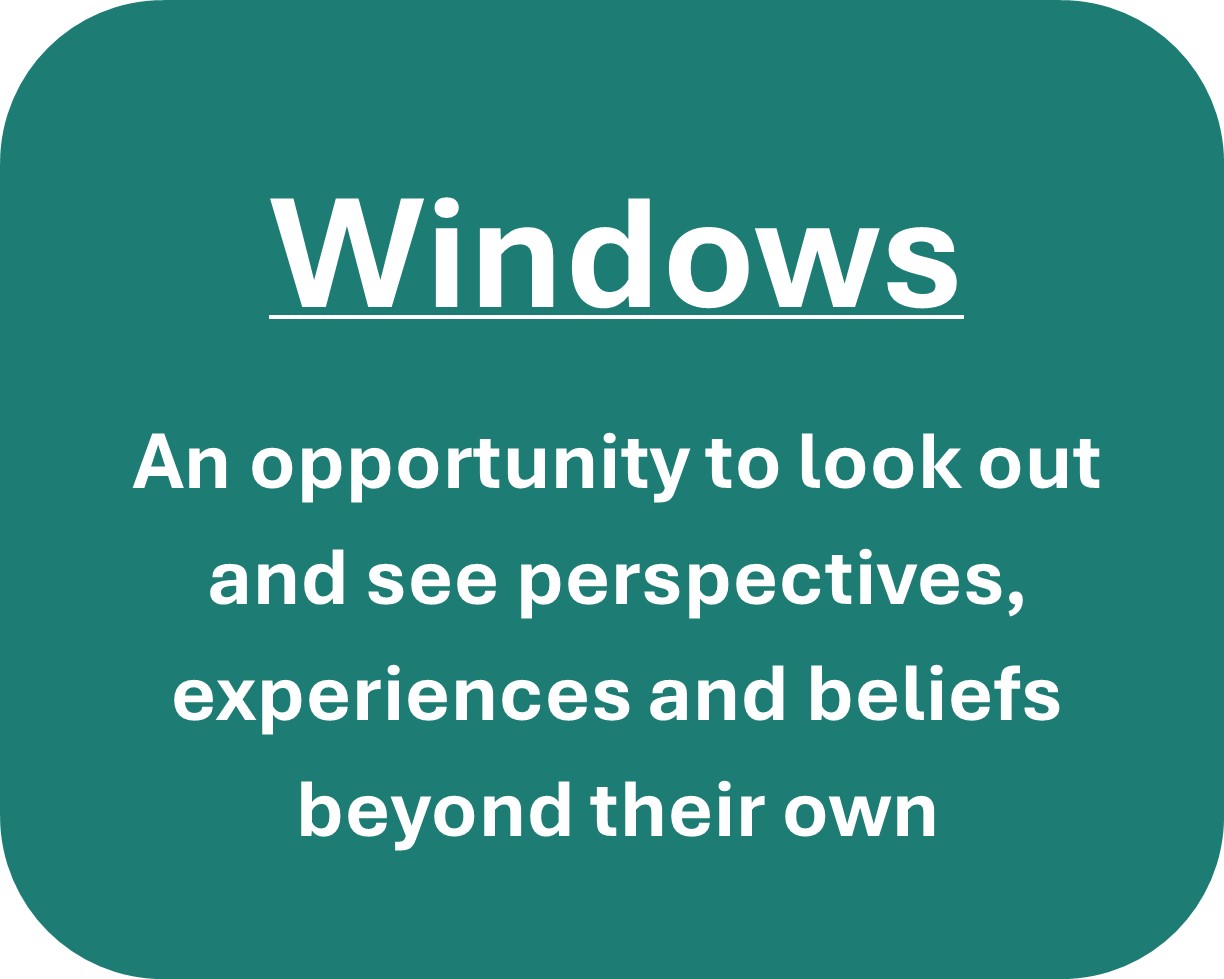
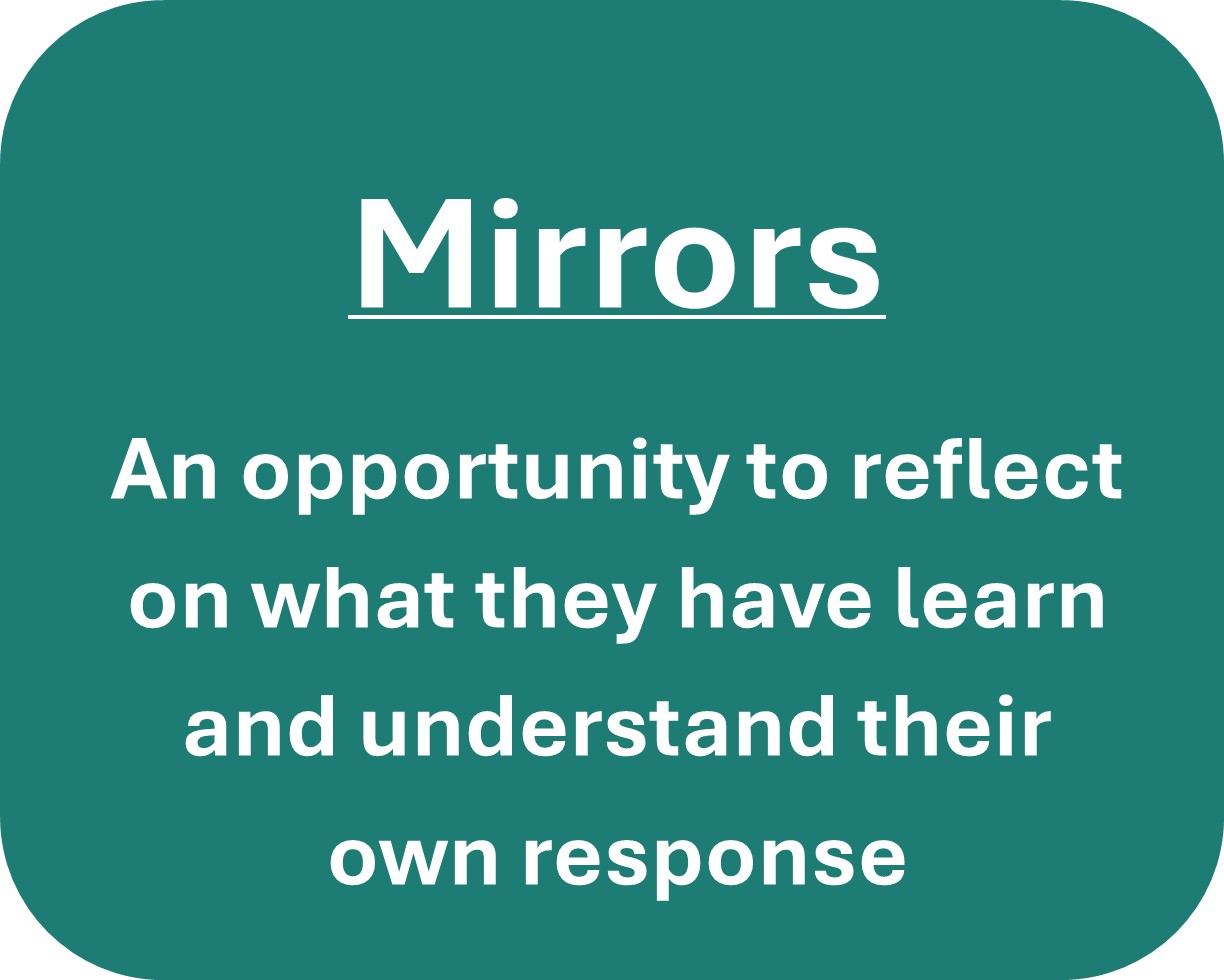
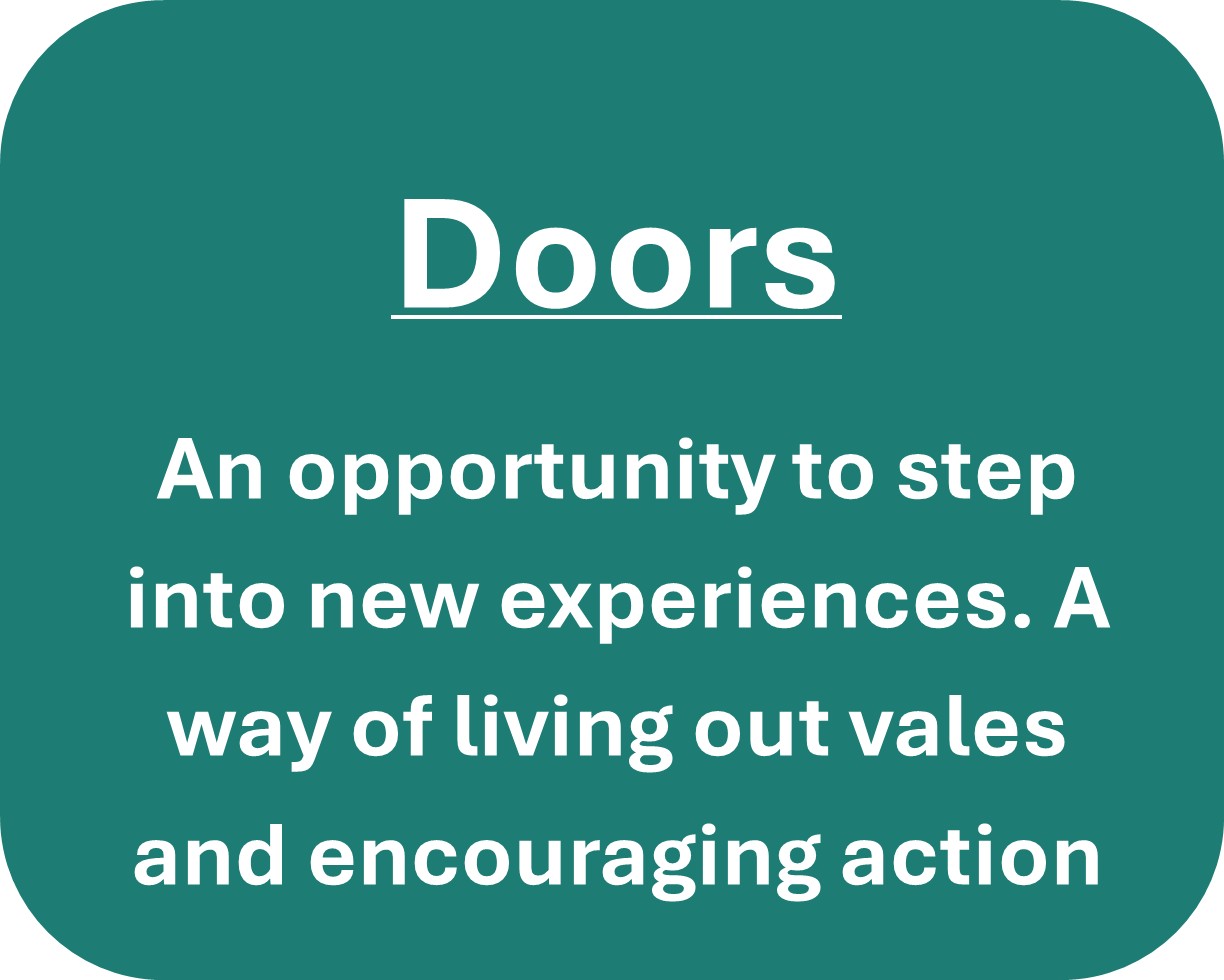
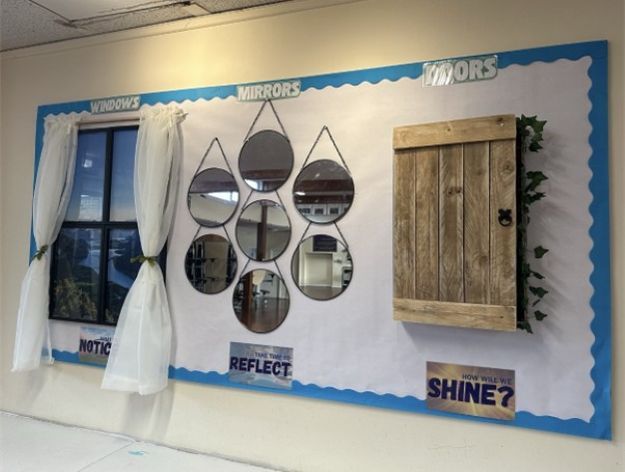
There are many approaches and tools to support embedding spirituality in schools. One of these approaches is the windows, mirrors, doors approach which is a well known metaphor originally developed by Dr. Rudine Sims Bishop.
|
|
This approach is useful for creating space for encounter and reflection. Pupils do not just learn facts; they explore meaning, identity and purpose. It connects the curriculum to lived experiences. Through windows, mirrors and doors, children see how subjects relate to their own lives and the wider world. It promotes empathy and action. Spirituality is not only inward; it calls for outward engagement – doors lead to service, stewardship and justice. It aligns with Christian Vision by reflecting the idea that every child is made in the image of God, valued and called to flourish.
|
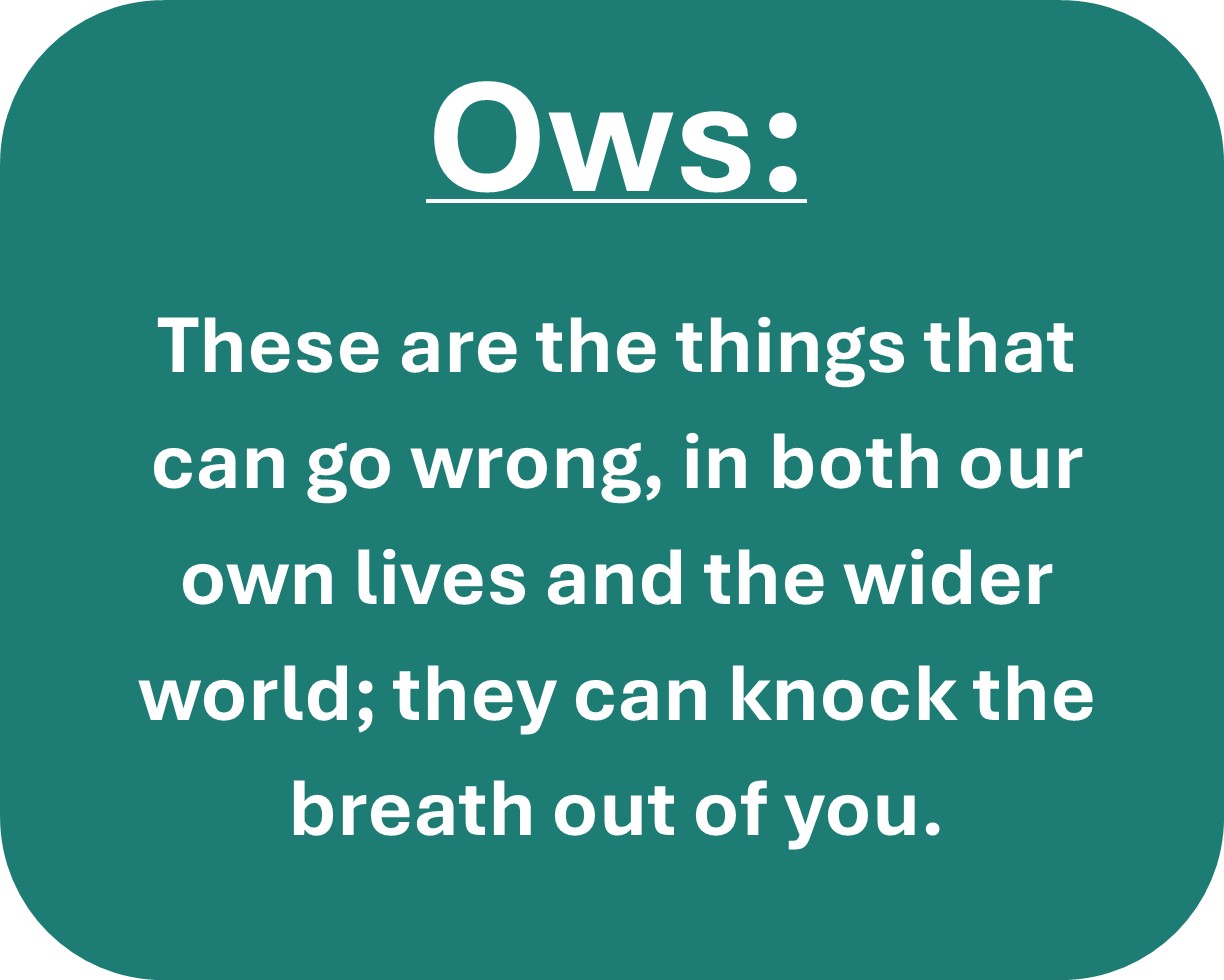
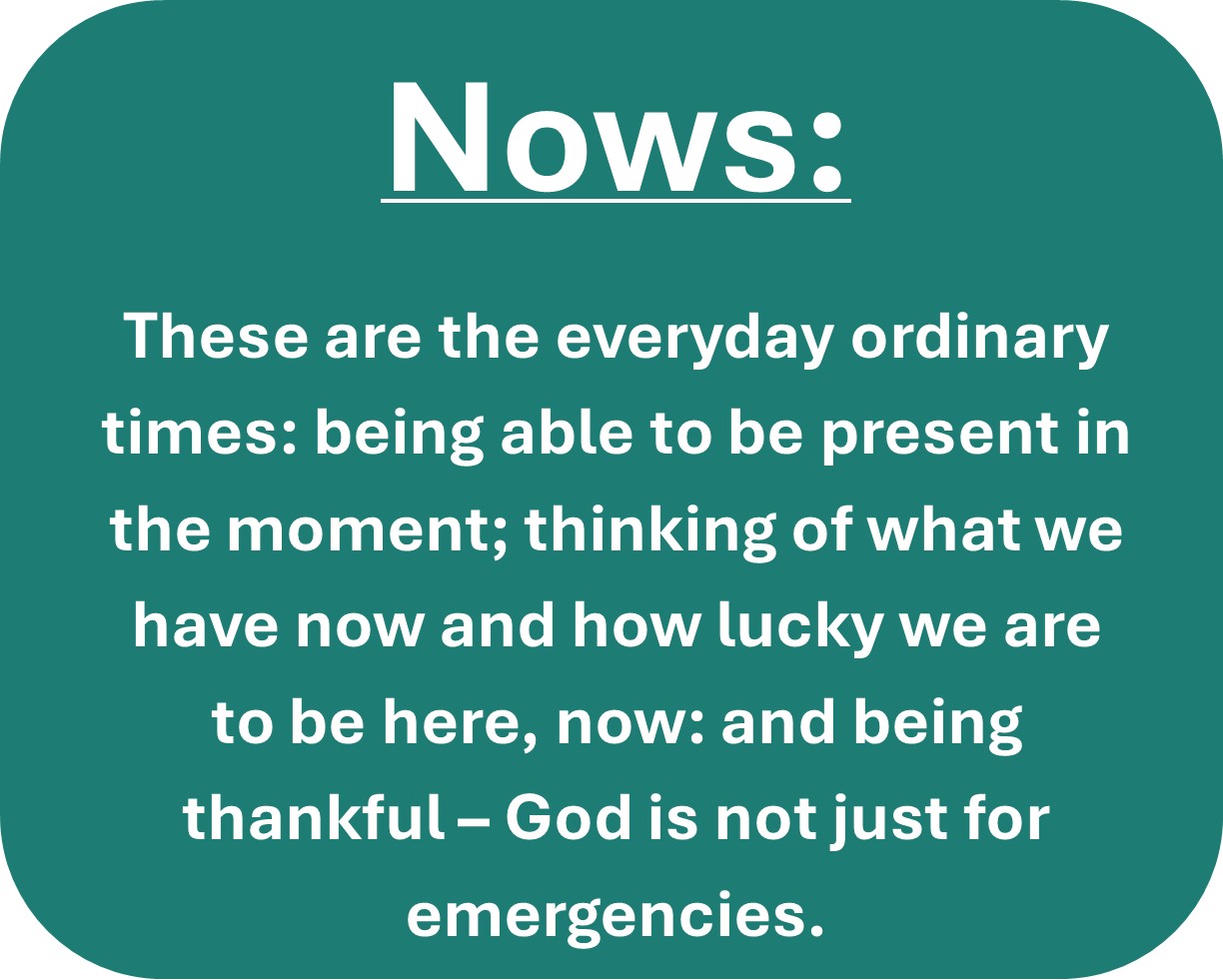
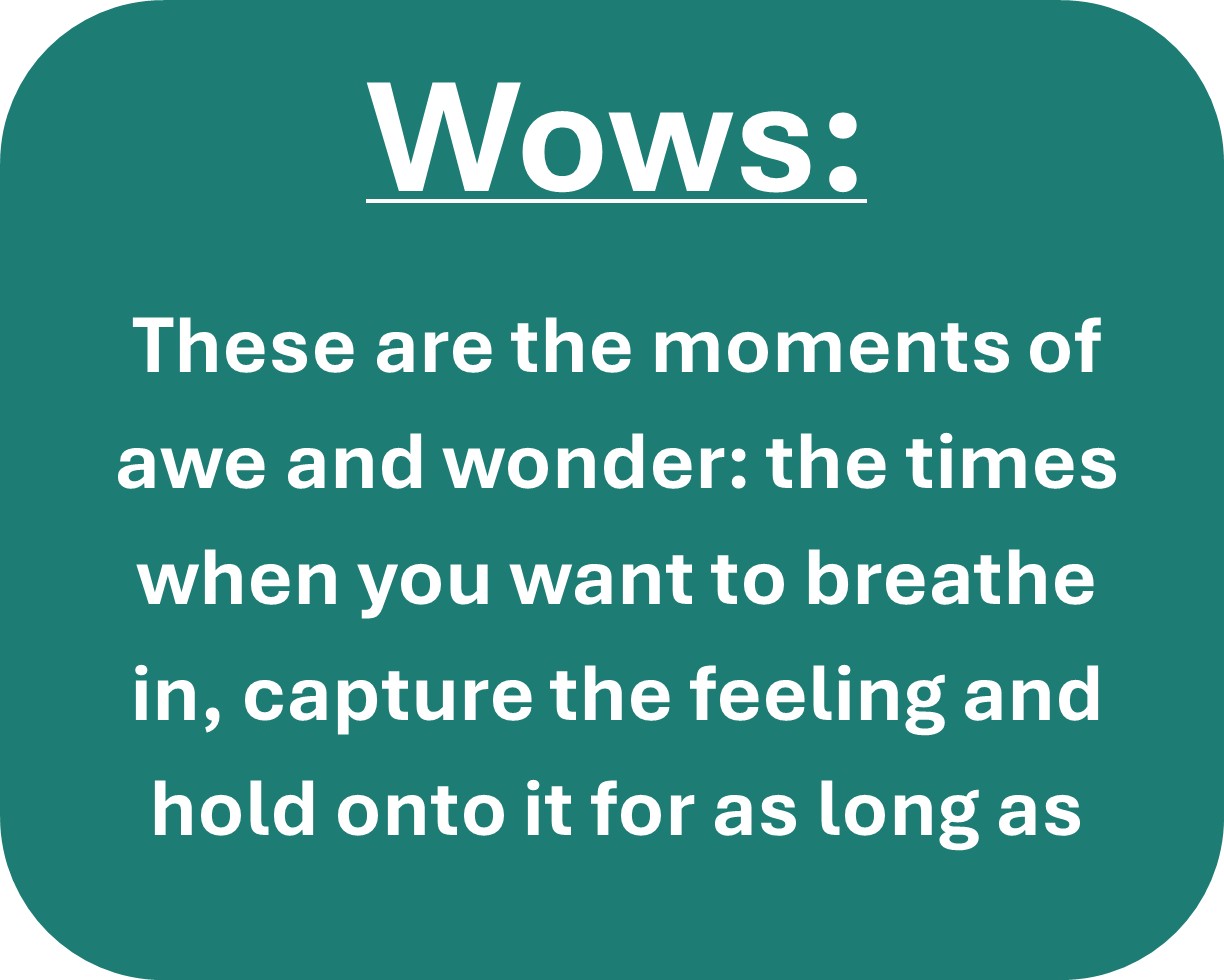
Another approach schools use to encourage reflection is the “Ows, Wows and Nows” approach. This method helps pupils think about their journey by identifying challenges (Ows), celebrating successes (Wows) and considering next steps (Nows). It promotes spiritual growth by encouraging pupils to pause and consider their experiences deeply. The Ows help children to acknowledge vulnerability and resilience, fostering humility and empathy. The Wows cultivates gratitude and joy which are central to many spiritual traditions. The Nows inspires hope and purpose, guiding learners to see growth as an ongoing journey. Through this process, pupils learn to value reflection, appreciate blessings and approach life with a sense of meaning and responsibility, all of which are key aspects of spiritual flourishing.
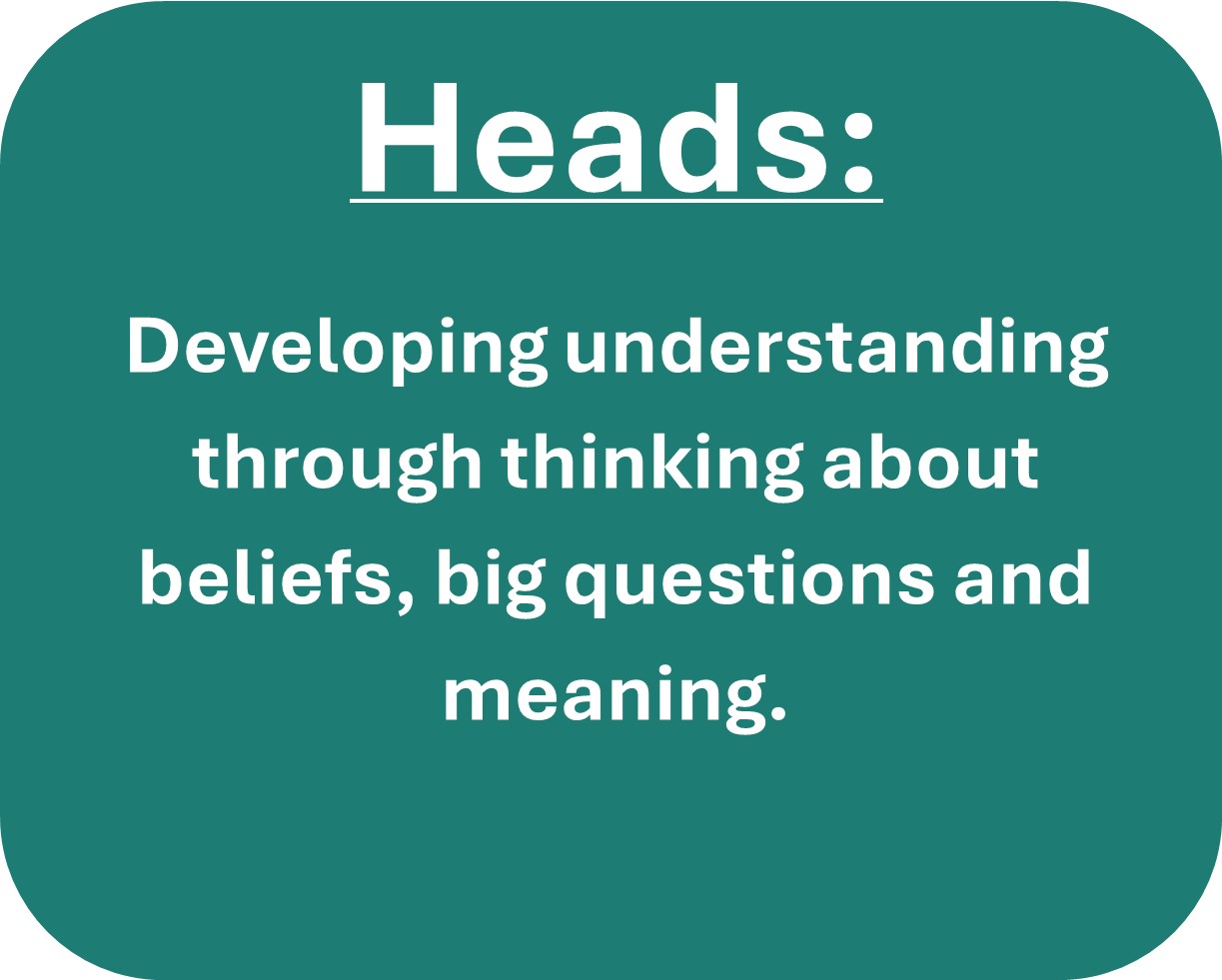
The “head, heart and hands” approach is a simple way of helping children grow in faith as whole people.
The “head” is about learning and understanding - hearing Bible stories, asking questions, exploring Christian values, and discovering who God is.
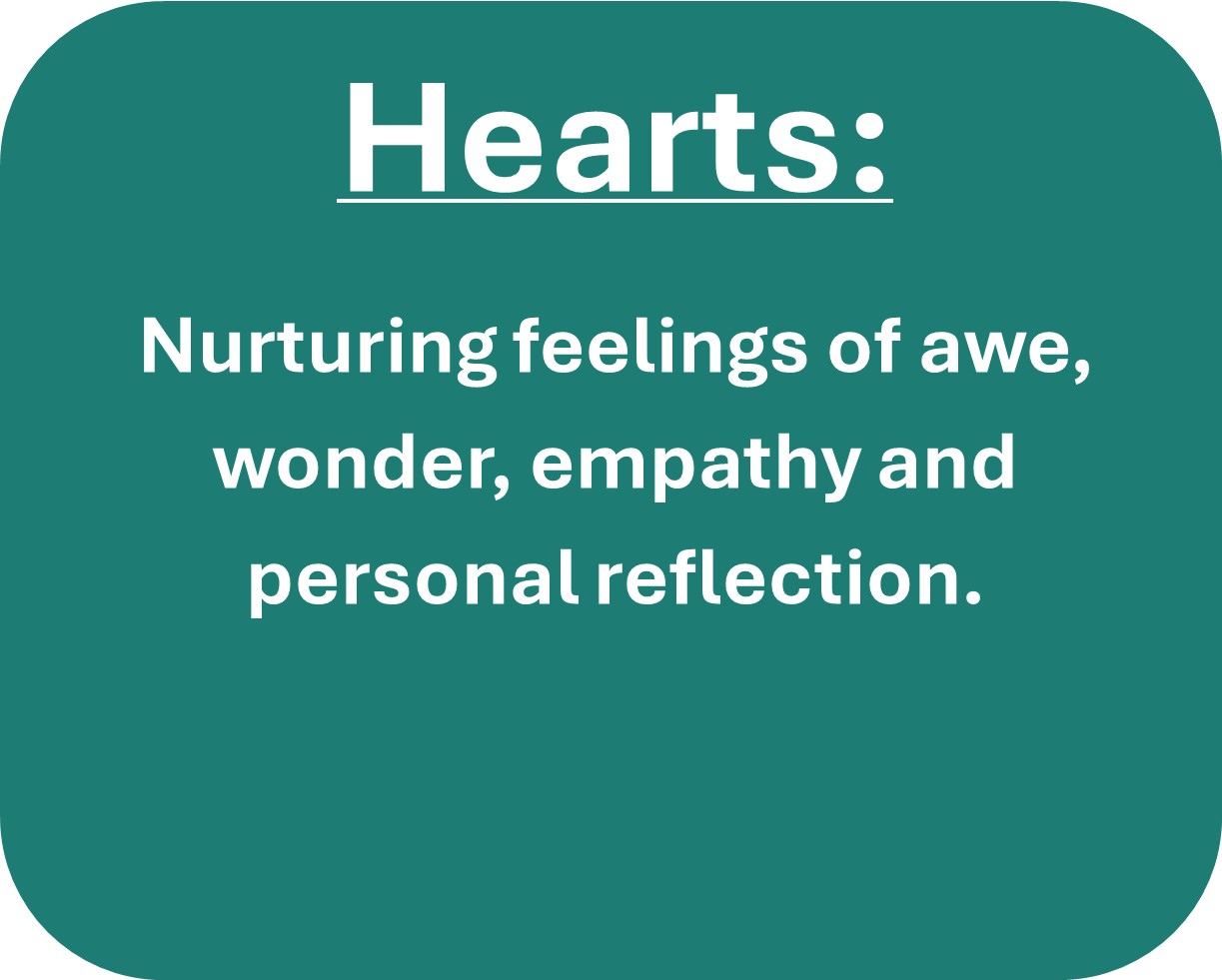
The “heart” is about feeling and belonging - helping children know they are loved by God, encouraging prayer, wonder, kindness, and a sense of connection with others.
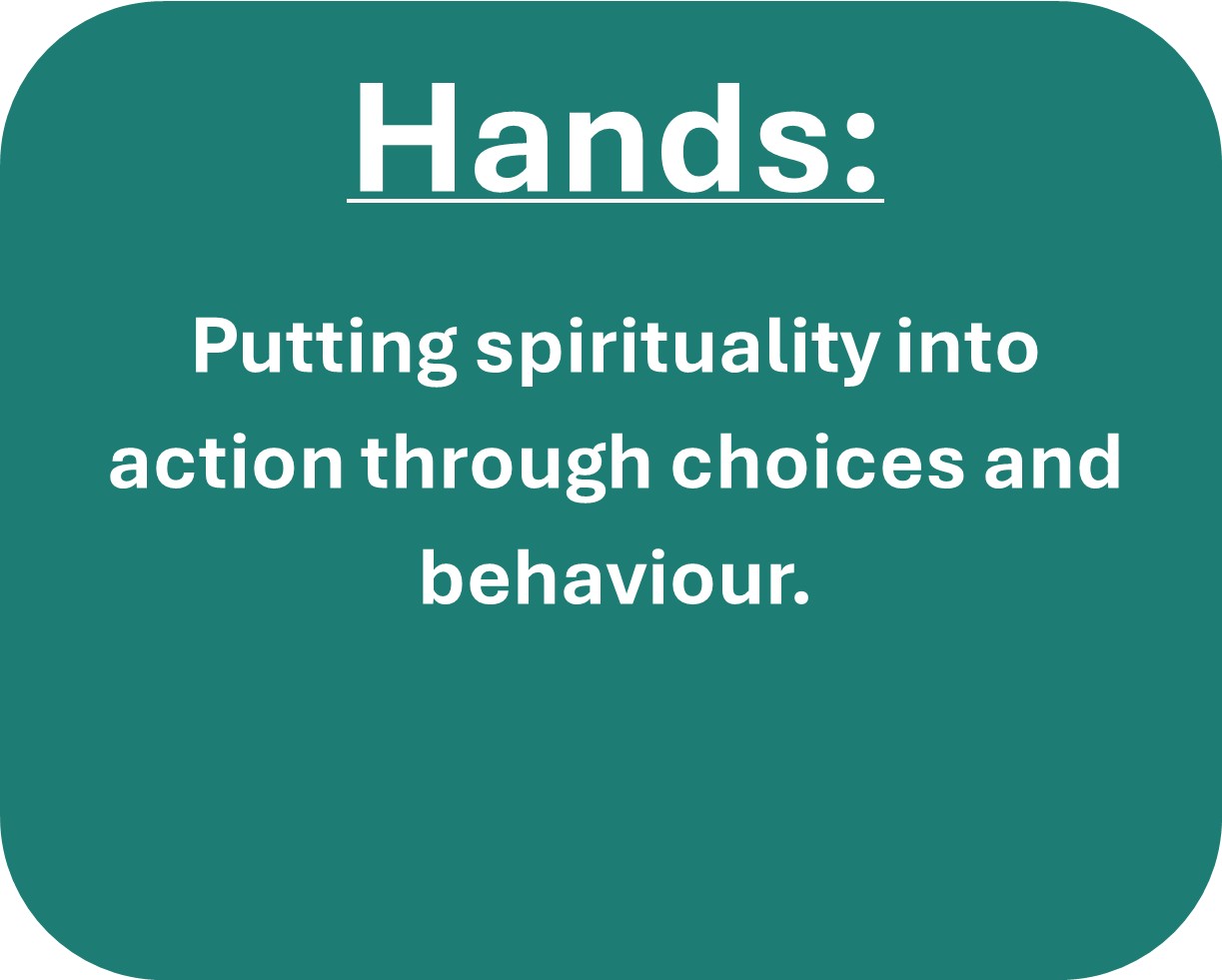
The “hands” are about action - putting faith into practice through helping others, caring for creation, sharing, forgiving, and making good choices in everyday life. In children’s spirituality, these three parts work together. Faith is not only something children learn in lessons, but something they experience and live out. When children are given space to think, feel, and act, they can grow in confidence, compassion, and understanding. This approach helps churches, schools, and families nurture a faith that is meaningful, active, and rooted in everyday life.
You may also like to consider:
- What is your shared understanding of spirituality?
- How does the school’s Christian vision provide opportunities to meet the spiritual needs of learners?
- How does an awareness of spirituality permeate school life?
- What is the impact of this for the learner (and staff and the wider community)?
- How are staff inducted and supported so that they have a shared understanding of spirituality and spiritual development?
- How is spirituality embedded into your curriculum?
Spiritual development is not about becoming more spiritual (in a measurable or expansive sense). It is about realising or becoming more and more aware of one’s natural, innate spirituality. This is sometimes a slow and gradual process, at other times there might be significant stages of realisation, which are part of the ongoing ‘developing’ process. It is never a finished state. We cannot create spiritual children because they are already spiritual, but we can nurture them on their journey so that they can flourish.